Top 5 Items That Will Melt or Warp Without Climate Control
Top 5 Items That Will Melt or Warp Without Climate Control
Texas summers are relentless. While most people think about the heat in terms of personal comfort, few stop to consider what that same heat is doing to the belongings sitting inside a standard storage unit. Without temperature regulation, the interior of a metal storage unit can climb well past 130° F on a peak summer day, and it stays dangerously hot for months at a time, not just during afternoon spikes.
The real threat isn't just a single scorching afternoon. It's the cumulative effect of sustained high temperatures over weeks and months. Warping, melting, cracking, and chemical degradation don't happen all at once; they build up gradually, and by the time you open that unit door, the damage is already done. That's exactly why heat damage storage prevention starts with one fundamental decision: choosing the right type of storage environment from the beginning.
If you're storing anything of financial, personal, or practical value, understanding which items are most vulnerable is the first step. Here's what's most at risk, and what you can do to protect it with Stor Self Storage.
Why Texas Heat Is a Silent Threat to Your Belongings
Most people underestimate just how extreme conditions inside a standard storage unit can get. Unlike your home or office, a conventional metal storage unit has no insulation, no ventilation system, and no way to shed the heat it absorbs throughout the day. When outdoor temperatures reach the upper 90s or low 100s, which happens routinely across Texas from May through September, interior unit temperatures can exceed 130° F. That's hot enough to damage a wide range of everyday items.
What makes this especially dangerous is the duration. Texas doesn't offer a brief heat wave followed by relief. The heat is persistent, and belongings stored without Texas storage unit heat protection are exposed to these extreme conditions day after day. Materials expand, contract, warp, and break down under that kind of repeated thermal stress. Even items that seem durable at room temperature can suffer irreversible damage after just one Texas summer in an unconditioned space.
A temperature-regulated environment addresses this threat directly. By maintaining a consistent internal temperature range year-round, climate-controlled storage units in Texas eliminate the extreme swings that cause lasting damage.
The Top 5 Items Most Vulnerable to Heat Damage
Not everything in storage reacts to heat the same way. Some materials are remarkably resilient, while others begin to fail at temperatures well below what a Texas summer delivers. Here are the five categories most at risk:
- Electronics, including laptops, gaming consoles, and hard drives: Circuit boards, battery cells, and solder connections can begin to degrade at temperatures above 95° F. Storing electronics in heat without temperature regulation can cause permanent hardware failure, corrupted data, and swollen or leaking batteries. Many manufacturer warranties are also voided when devices are stored outside recommended temperature ranges, which adds a real financial cost to the risk.
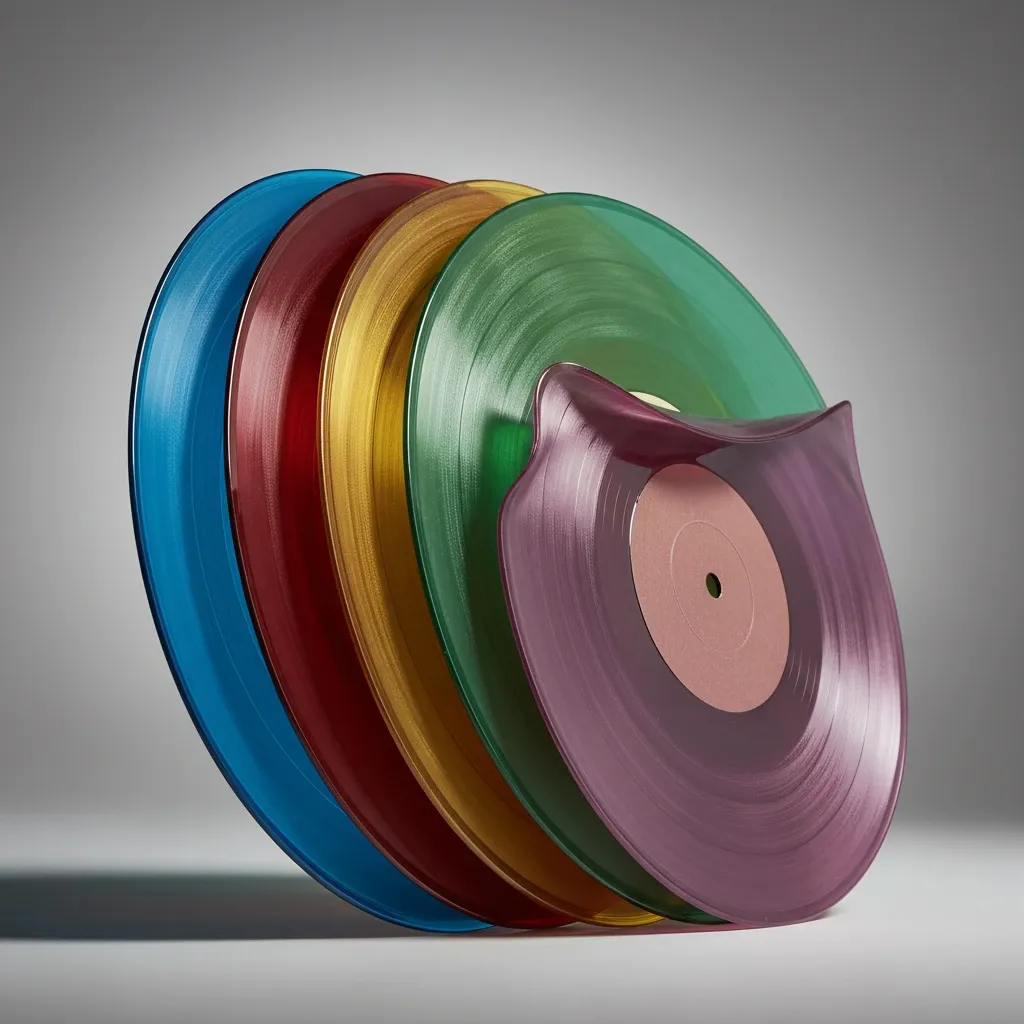
- Vinyl records and media collections: Vinyl is one of the most heat-sensitive materials you can put in storage. Records begin to warp at temperatures as low as 90° F, which is easily reachable inside a standard Texas unit. Even slight warping renders a record unplayable, and once warped, the damage is permanent. A single Texas summer in an unconditioned unit can destroy a collection that took years to build.
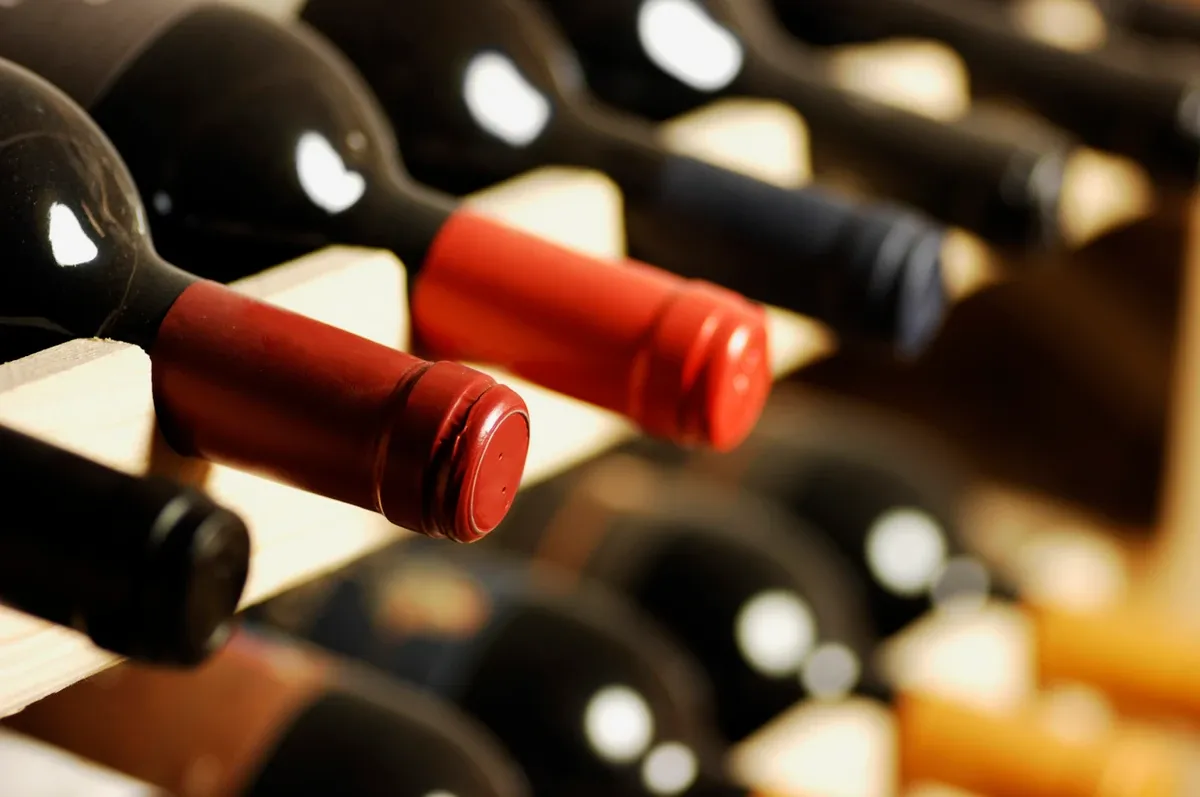
- Wine and fine spirits: Wine storage solutions in Dallas and across Texas are in demand for good reason. Temperatures above 70° F accelerate the chemical reactions inside a bottle, degrading flavor compounds and accelerating aging in unpredictable ways. Investment-grade bottles can lose significant value. Even everyday wines stored in heat for a season often taste flat, oxidized, or "cooked" when opened.
- Wooden furniture and musical instruments: Wood responds dramatically to heat. Joints separate, finishes bubble, and solid wood panels crack as they expand and contract through repeated temperature cycles. Musical instruments, particularly guitars, violins, and pianos, are especially sensitive, with glue joints that can fail when exposed to sustained high temperatures. Repairs are often costly and, in some cases, impossible.
- Candles, cosmetics, and wax-based products: These items seem low-stakes until you open a storage box to find a pool of hardened wax coating everything inside. Candles melt and fuse. Cosmetics separate, change texture, or become contaminated. Even sealed containers offer little protection once unit temperatures climb into the triple digits. These products are designed to be stored at room temperature, and in Texas, a standard unit is anything but.
How a Temperature-Controlled Environment Keeps Belongings Stable
A quality climate-controlled storage unit maintains a consistent temperature range, typically between 55° F and 85° F, throughout the year. That means your belongings aren't subjected to the extreme swings that define Texas seasons, from sweltering summer highs to occasional winter cold snaps. The result is a stable, predictable environment that helps to protect sensitive materials from the thermal stress that causes warping, melting, and degradation.
It's worth understanding the difference between standard and climate-controlled storage before making a decision. A standard unit is essentially a metal box. It offers security and weather protection, but no temperature regulation. A true temperature-regulated storage unit actively maintains internal conditions using HVAC systems, insulated walls, and sealed construction. That's a meaningful difference for anyone storing electronics, instruments, wine, or other heat-sensitive belongings.
There's also a financial argument to be made. Many electronics manufacturers explicitly state that storing devices outside a recommended temperature range voids the warranty. If a hard drive fails after a summer in a hot unit, you're not just losing the device; you're losing the data, the warranty coverage, and the replacement value. Upgrading to a climate-controlled unit is often far less expensive than replacing what the heat destroys.
When you're ready to explore options, local experts can walk you through unit sizes, temperature zones, and pricing without any pressure. Pricing for climate-controlled units is straightforward: what you see is what you pay, with no hidden fees and full transparency from day one. You can explore climate-controlled storage options in Austin or temperature-regulated units in San Antonio to find the right fit for your specific needs.
Practical Tips for Packing Heat-Sensitive Items Before Storage
Even inside a temperature-regulated unit, smart packing habits add an extra layer of protection and make your storage experience more organized and efficient. A few simple steps before move-in can prevent damage and give you peace of mind every time you access your unit.
- Electronics and media: Use hard-shell, airtight containers rather than cardboard boxes. Rigid cases provide insulation and protect against physical impact during transport. Label each container clearly so you can retrieve specific items without disturbing the rest.
- Wine bottles: Store bottles horizontally in padded racks or divided cardboard boxes designed for wine shipping. Horizontal storage keeps the cork in contact with the liquid, preventing it from drying out. Avoid stacking bottles loosely, which can cause breakage during settling.
- Wooden furniture and instruments: Wrap legs, surfaces, and instrument bodies in breathable moving blankets rather than plastic wrap. Plastic traps heat against the surface and can cause finishes to bubble or soften. Breathable materials allow air circulation while still protecting against scratches and dust.
- Inventory your heat-sensitive items: Before moving in, create a simple list of every item that requires temperature regulation. This ensures nothing vulnerable accidentally ends up in a standard unit and gives you a clear record for insurance purposes.
- Prioritize temperature first: Many storage searches, including those looking for units in the Austin area, reflect a dual concern about both temperature and air quality. A quality climate-controlled unit addresses the primary concern first: keeping temperatures stable and consistent year-round.
For additional packing guidance and storage planning resources, our storage tips and planning resources are a helpful starting point before your move-in day.
Protect What Matters Most by Choosing the Right Storage Unit
When you're evaluating facilities, tour them in person and ask directly about the temperature range maintained year-round. Our local experts will be available to help you match the right unit size to your specific inventory without pressure, without upselling, and without surprises on your bill. That kind of transparency is what separates a top-quality storage experience from a frustrating one.
Taking one proactive step, choosing a temperature-regulated environment, delivers lasting peace of mind for everything you store. Whether you're looking at our storage facilities in the Dallas–Fort Worth area or need a unit closer to home, the right climate-controlled option is here with Stor Self Storage. Use our unit size guide to figure out exactly what you need, then take that first step toward keeping your belongings stable, no matter how hot the Texas summer gets.