
Why Wine Storage Requires Precise Temperature Control
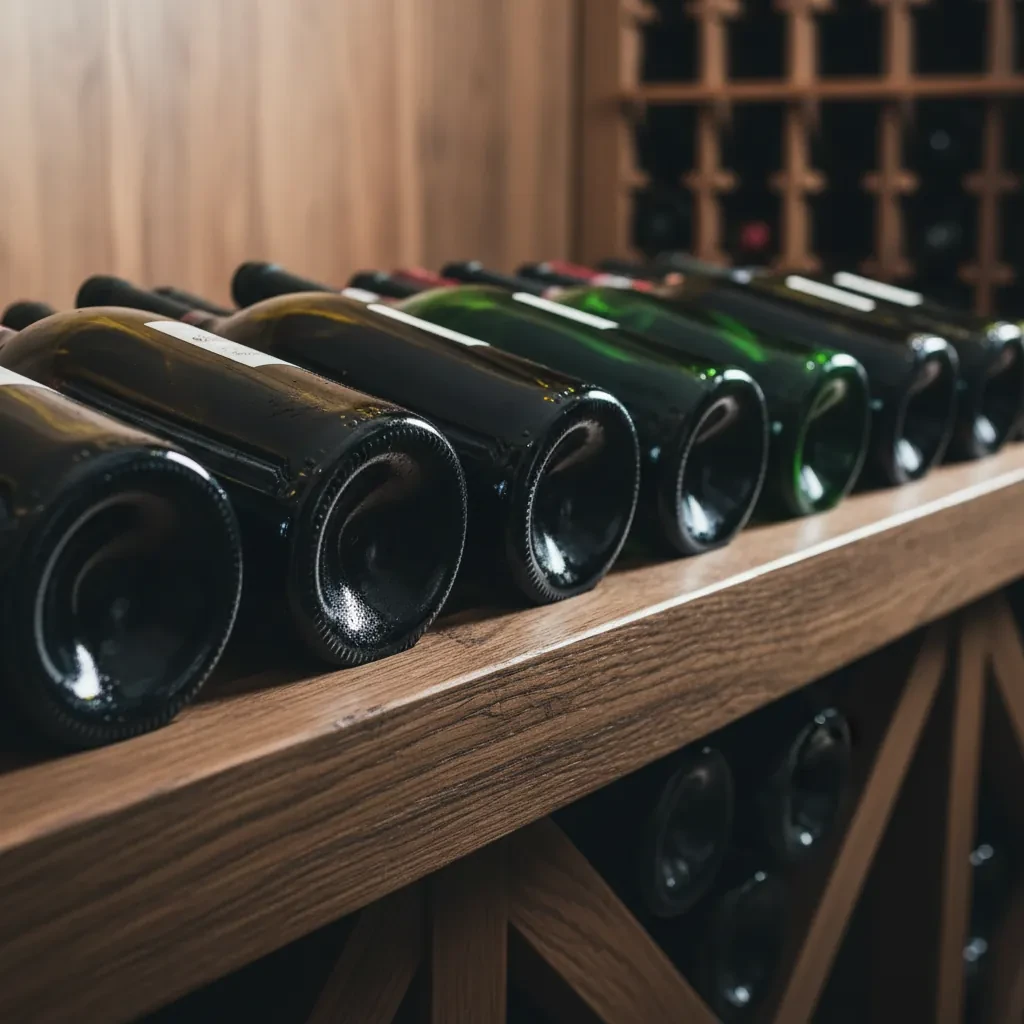
Why Wine Storage Requires Precise Temperature Control
If you've ever opened a bottle of wine only to find it tastes flat, vinegary, or simply wrong, there's a good chance temperature had something to do with it. Wine is far more fragile than most people realize and in a state like Texas, where summer temperatures routinely exceed 100° F, the conditions for ruining a collection are built right into the climate. Whether you're storing a few prized bottles or curating a serious cellar, understanding why temperature matters is the first step toward protecting what you've built.
The challenge isn't just extreme heat. It's the combination of high temperatures, prolonged heat seasons, and unpredictable fluctuations that make Texas one of the most demanding environments for wine storage in the country. Home storage solutions that might work in milder climates often fall short here, leaving collectors with compromised bottles and real financial losses. The encouraging reality is that this is a solvable problem and the solution is simpler than most people expect.
How Texas Heat Threatens Your Wine Collection
Texas summers are relentless. Temperatures regularly climb past 100° F in cities like Dallas and Austin, and that kind of sustained heat is one of the most destructive forces a wine collection can face. Heat accelerates the chemical reactions inside every bottle, breaking down the delicate compounds that give wine its flavor, aroma, and complexity. What took years to develop in a carefully crafted vintage can be undone in a matter of weeks, or even days, when temperatures spike.
One of the most immediate physical consequences of heat exposure is expansion. As wine warms, it expands and pushes against the cork. Over time, this pressure causes seepage around the seal, allowing air to enter the bottle and oxidize the wine. Even bottles that look intact on the outside can be compromised inside, their contents flat, vinegary, or simply lifeless by the time you open them.
For wine collectors in Dallas and Austin, the challenge is especially pronounced. The heat season here isn't a brief summer spike it stretches across months, making home storage in garages, pantries, or interior closets genuinely unreliable. The good news? These risks are entirely preventable. With the right temperature-regulated environment, your collection stays protected regardless of what's happening outside.
The Ideal Temperature Range for Preserving Wine
Wine storage professionals consistently recommend keeping bottles within a temperature range of 45° F to 65° F, with 55° F recognized as the widely accepted sweet spot. At this temperature, the aging process slows to a controlled pace, allowing wines to develop gracefully without the chemical degradation that comes from heat exposure. But hitting a target temperature isn't the whole story; consistency is equally critical.
Temperature fluctuations are just as damaging as sustained heat. When a storage environment swings between cool nights and hot afternoons a common reality in Texas garages and closets the repeated expansion and contraction stresses both the cork and the wine itself. Even small daily swings of 10° F to 15° F can shorten a wine's lifespan significantly over time. A stable environment that holds steady within the recommended range is far more protective than one that occasionally dips into the right zone.
It's also worth distinguishing between short-term storage and long-term aging. If you're holding a case for a few weeks before a dinner party, the stakes are lower, though temperature still matters. If you're aging bottles for years or building an investment-grade cellar, precision becomes non-negotiable. Either way, both red and white wines share the same temperature sensitivity. The idea that only fine or aged wines need protection is a myth worth dispelling. A well-chosen everyday bottle deserves the same care as a collector's reserve.
What Climate-Controlled Storage Actually Does for Your Wine
A true climate-controlled unit maintains a consistent temperature range year-round regardless of whether it's July in Austin or a rare cold snap in January. The system actively regulates the environment inside the unit, not just in common areas or hallways, but within the storage space itself.
That consistency is what shields wine at the structural level. When temperature stays stable, corks remain properly seated, chemical reactions inside the bottle proceed at a controlled rate, and the wine preserves both its character and its value. A temperature-regulated wine storage environment doesn't just prevent obvious spoilage, it actively preserves the investment you've made in every bottle.
A common misconception among Texas collectors is that a cool garage, a shaded closet, or an interior room provides adequate protection during summer. In most Texas homes, interior spaces without dedicated climate control can still reach 80° F or higher during peak summer months. That's well above the safe range for wine, and it's a threshold that gets crossed regularly without the homeowner even realizing it. Professional climate-controlled storage across Texas removes that uncertainty entirely, giving you the peace of mind that comes from knowing your collection is in a professionally maintained, temperature-stable unit not subject to the whims of a Texas afternoon.
Choosing the Right Climate-Controlled Storage in Texas
Not all storage facilities are created equal, and when it comes to protecting a wine collection, the details matter. When evaluating wine storage solutions in Dallas, Austin, or anywhere else in the state, start by asking about temperature monitoring. A quality facility will be able to tell you exactly what range their units are maintained at and how that's monitored, including during peak summer months when systems are under the most stress.
Here's what to look for when selecting a facility:
- Consistent temperature monitoring: Ask whether units are monitored continuously and what protocols are in place if a system malfunctions.
- Secure, controlled access: Your wine collection is valuable. Look for facilities with gated entry, individual unit locks, and security cameras.
- Class A condition: The facility itself should be well-maintained, clean, and professionally managed a reflection of how seriously they take the contents stored inside.
- Transparent, straightforward pricing: A trustworthy facility will be upfront about rates with no hidden fees or surprise charges. Review any storage agreement carefully before signing.
Local expertise matters, too. Facilities that understand the specific climate demands of Texas cities the length of the heat season, the intensity of afternoon temperatures, the way heat builds inside structures are better equipped to maintain the conditions your wine needs. If you're storing wine in Austin, Texas, look for a provider with a proven track record in the local market. For collectors in the Dallas–Fort Worth area, our storage options in the Dallas–Fort Worth area and knowledgeable team can make a meaningful difference in how confidently you store your collection long-term.
Preserving Your Wine Collection Starts With the Right Environment
Wine is a living product. It evolves inside the bottle, responds to its environment, and reflects the conditions it's been kept in. That's what makes temperature-regulated wine storage not just a convenience, but the single most important factor in preserving its quality and value. Everything else the vineyard, the vintage, the winemaker's craft becomes secondary if the storage environment fails.
If you're currently storing wine in Austin, Texas, or the Dallas area and haven't evaluated your storage conditions recently, now is a good time to take that step. Touring a local climate-controlled facility costs nothing, and asking about wine-specific storage options takes only a few minutes. Our storage facilities in Austin and locations serving the Dallas–Fort Worth region are available to walk you through your options in person. Protecting a wine collection in Texas is straightforward; all it takes is the right local partner and a unit that holds the line against the heat, every single day of the year.