
How to Pack a Storage Unit the Right Way
How To Pack a Storage Unit the Right Way
Most people load a storage unit the same way they pack a moving truck: quickly, under pressure, and without a plan. The result? Boxes you can't find, furniture you can't reach, and a unit that fills up faster than it should. A little strategy upfront changes everything.
Whether you're storing a few boxes or an entire household, the same core principles apply. When you know how to pack a storage unit efficiently, you protect your belongings, save time on every visit, and get the most out of the space you're paying for. Here's how to do it right with Stor Self Storage.
Start Smart: Plan Your Space Before You Pack a Single Box
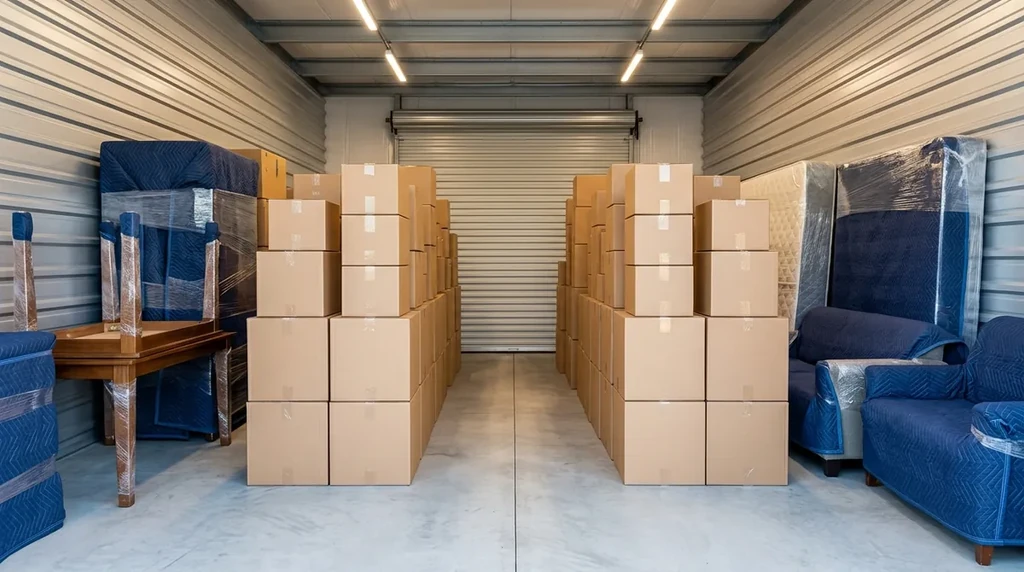
Before you move anything in, sketch a simple floor plan. It doesn't need to be fancy. A rough outline on paper works fine. Map out a center aisle so you can reach items toward the back without unloading half the unit every time. This single step saves more frustration than almost anything else.
- Group items by access frequency: Everyday-access items belong near the front; long-term storage items go toward the back.
- Measure large furniture first: Knowing exact dimensions lets you plan vertical stacking zones and avoid wasted floor space.
- Consider a temperature-stable environment for electronics, artwork, or wood furniture. These items can warp or crack in extreme Texas heat. Our guide on standard vs. climate-controlled storage in Texas can help you decide what your belongings actually need.

Weight Distribution and Stacking: The Foundation of a Secure Unit
How you stack boxes matters as much as what goes inside them. Poor weight distribution leads to collapsed columns, damaged items, and real risks when you're reaching for something at the top. Learning how to stack boxes in a storage unit correctly is one of the highest-value habits you can build.
- Heaviest items go on the bottom: Appliances, books, and tools create a stable base for lighter boxes above.
- Stack uniform box sizes together: Mismatched sizes create unstable columns that shift over time.
- Keep stacks at eye level or below: Anything higher becomes a tipping hazard the moment you pull something out.
- Disassemble large furniture: Bed frames, tables, and shelving units lay flat against walls, freeing up significant floor and vertical space.
How To Protect Fragile Items in Storage the Right Way
Fragile items are the ones most renters regret not packing more carefully. A broken lamp or cracked dish is entirely preventable with the right approach. The goal is to eliminate movement both inside each box and within the unit itself.
- Wrap breakables individually: Packing paper or bubble wrap around each item prevents direct contact and absorbs impact.
- Fill empty box space: Towels, linens, or foam peanuts prevent items from shifting during transport and storage.
- Label fragile boxes on all five sides: Top and all four sides so the warning is visible no matter how the box is oriented.
- Position fragile items in the middle or upper layers: Never at the very bottom, where they absorb the weight of everything stacked above.
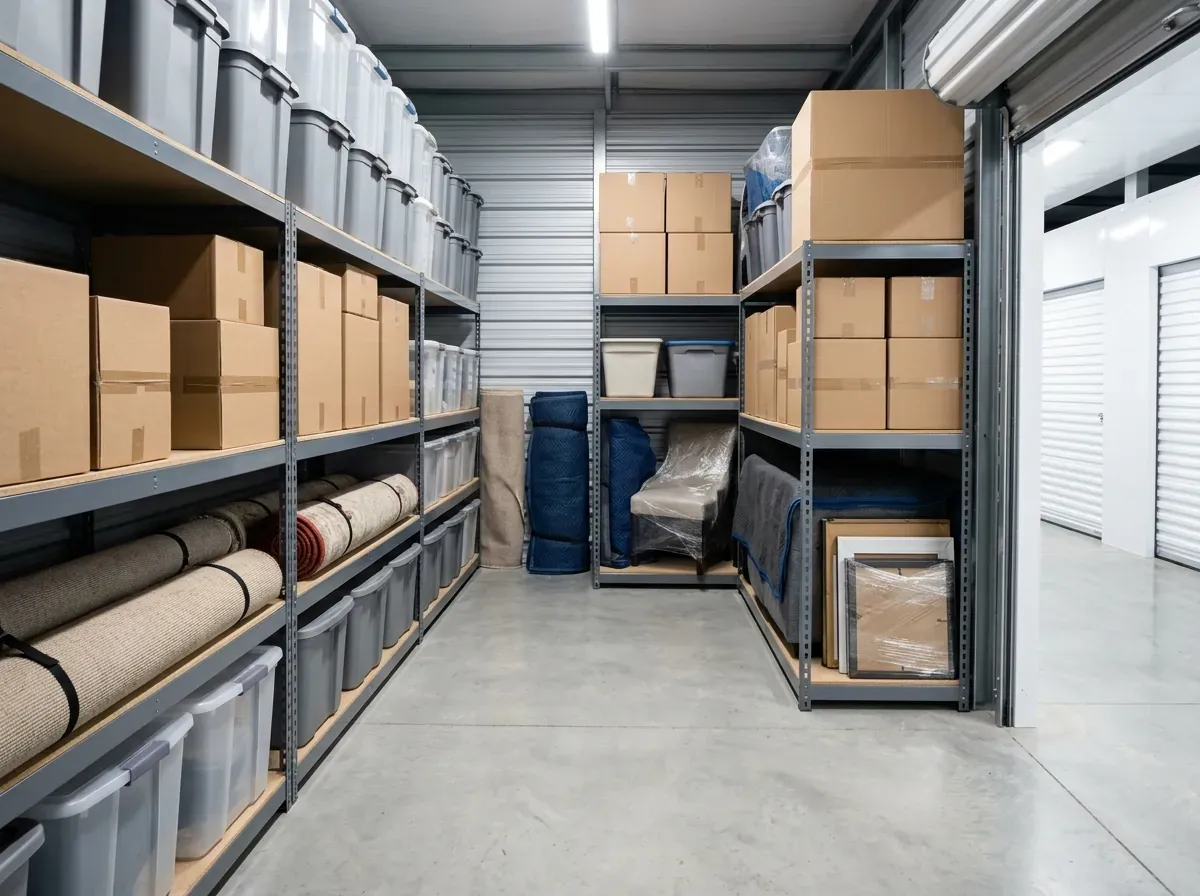
If you're storing items that are especially vulnerable to temperature swings, it's worth reviewing which items are most at risk without climate control before finalizing your unit choice.
Label Everything and Keep an Inventory You'll Actually Use
Labeling is the step most people skip or do halfway, and they pay for it every time they visit. A proper labeling system means you never open six boxes to find one item. Combined with a simple inventory, it turns a frustrating dig into a two-minute retrieval.
- Label each box on the top and one side with contents and the room it came from.
- Color-code by room or category using colored tape or markers for a visual system that works at a glance.
- Keep a numbered inventory list; a phone note or cloud document matching box numbers to contents works perfectly.
- Store your inventory outside the unit: It does you no good if it's packed inside box #47.
For more practical guidance, the storage tips on our site cover everything from packing electronics to organizing a smaller unit.
Choosing the Right Unit Size for How You Pack
Once you have a packing strategy, revisit your unit size. A well-organized 10x10 regularly holds what an unplanned 10x15 would because vertical space and a clear aisle recover square footage that chaotic loading wastes. Packing a storage unit efficiently often means you need less space than you think.
If you're unsure where to start, our unit size guide walks you through common unit dimensions and what fits in each. And if you still have questions, the local experts at your facility can walk you through options in person no pressure, just honest guidance to match your load to the right space. A little planning upfront means every visit to your unit is quick, easy, and stress-free, keeping your belongings secure for the long haul.