
Protecting Your Belongings from Texas Heat and Extreme Temperatures
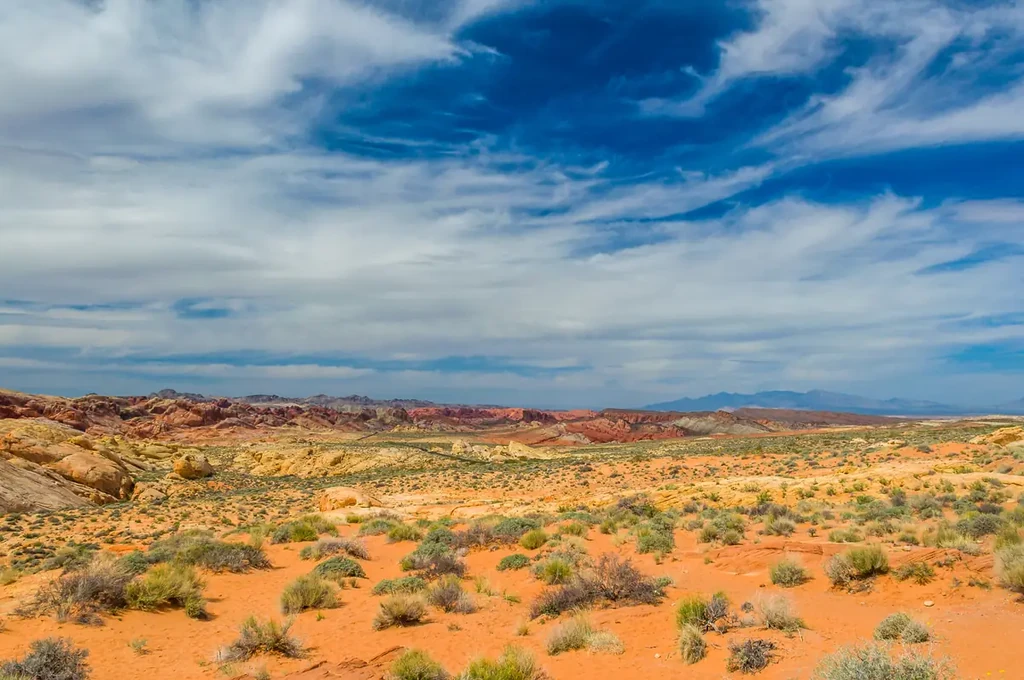
A guitar left in a standard storage unit through a San Antonio summer can come back with a warped neck, lifted frets, and a finish that has started to bubble. That's not an edge case. Protecting your items from heat and extreme temperatures is a real, recurring challenge for anyone storing belongings in South Texas, where summer temperatures routinely climb past 100° F, and the air holds enough heat to damage wood, electronics, and finishes over a surprisingly short time. This guide walks through what actually happens to common items in extreme heat, which belongings are most at risk, and what storage choices reduce that risk.
What Texas Heat Actually Does to Stored Items
The damage isn't always dramatic. It tends to be gradual: a wood dresser that slowly warps along a drawer face, a vinyl record that develops a slight bow, a leather jacket whose finish cracks at the fold lines. The mechanism is thermal expansion and contraction, where materials expand when heated and contract when they cool, and repeated cycling through that range stresses the material at a structural level.
In an unregulated metal storage unit on a San Antonio afternoon, interior temperatures can exceed outdoor air temperatures by a wide margin. The unit absorbs radiant heat from the roof and walls, and without ventilation or temperature regulation, that heat has nowhere to go. Items sitting closest to the walls or roof take the worst of it.
For a deeper look at which specific items are most vulnerable, our breakdown of items that warp without climate control covers the most common problem categories in detail.
Items That Need the Most Protection
Not everything in storage reacts the same way to heat. These categories tend to show damage first:
- Wood furniture: Solid wood expands and contracts with temperature swings. Joints loosen, veneer lifts, and drawer faces can warp enough that they no longer close properly.
- Electronics: Circuit boards, screens, and battery cells all degrade faster under sustained heat. Laptops, televisions, and audio equipment are particularly susceptible.
- Vinyl records and optical media: Records can warp at relatively low temperatures. CDs and DVDs are more resilient but still vulnerable to extended heat exposure.
- Musical instruments: Guitars, violins, and other instruments with wood bodies and glued joints are among the most heat-sensitive items people commonly store.
- Artwork and photographs: Pigments can shift, paper can yellow, and adhesives used in framing can fail under sustained heat.
- Leather goods: Jackets, bags, and upholstered furniture dry out and crack when exposed to heat over time.
- Candles and wax items: These will simply melt in an unregulated unit during a Texas summer, and sometimes into other items stored nearby.
Why Climate-Controlled Storage Makes a Difference
A climate-controlled unit maintains a consistent temperature range year-round, which removes the repeated expansion-contraction cycle that causes most heat-related damage. Rather than swinging from a cool night to a scorching afternoon inside a metal box, the unit stays stable. That consistency is what helps protect wood joints, electronic components, and finishes over the long term.
It's also worth understanding what climate control does not do: it doesn't make a unit impervious to every risk, and it isn't a substitute for good packing. Items still benefit from proper wrapping, appropriate containers, and being stored off the floor. Climate control addresses the temperature variable, while packing addresses everything else.
For a side-by-side comparison of standard and climate-controlled options in Texas, our comparison of standard vs. climate-controlled storage in Texas lays out the practical differences clearly.
Stor Self Storage offers climate-controlled storage units at locations across the San Antonio area, so renters with heat-sensitive belongings have options close to home.
.webp)
Packing Strategies That Reduce Heat-Related Risk
Even in a temperature-controlled unit, how you pack matters. A few practical habits go a long way:
- Use plastic bins over cardboard: Cardboard absorbs heat and can weaken over time. Hard-sided plastic bins hold their shape and provide a better barrier for the contents inside.
- Wrap wood furniture with moving blankets: This reduces direct contact with warm surfaces and provides a buffer against temperature changes at the unit walls.
- Store electronics in their original boxes when possible: The foam inserts in manufacturer packaging are designed to buffer the device from impact and temperature changes. If original packaging isn't available, wrap electronics in clean cloth or bubble wrap before boxing them.
- Keep items off the floor: Use pallets, shelving, or furniture risers to create airflow beneath your belongings and reduce contact with the concrete floor, which can retain heat.
- Don't pack units too tightly: Dense packing traps heat between items. Leave some airflow space, particularly around electronics and wood furniture.
A Note on Wine and Other Temperature-Sensitive Collections
Wine is one of the clearest examples of a collection that requires precise temperature regulation rather than just "cool enough." Heat accelerates chemical reactions in wine, and a single extended exposure to high temperatures can alter a bottle irreversibly. Standard climate control helps, but dedicated wine storage goes further by targeting a specific, narrow temperature range. Stor Self Storage offers wine storage for collectors who need that level of precision beyond what a standard climate-controlled unit provides.
.webp)
Choosing the Right Unit Size
Getting the unit size right affects how well your belongings fare in storage. An undersized unit leads to overpacking, which limits airflow and puts pressure on fragile items. An oversized unit wastes money. Before renting, take stock of what you're storing and use our storage unit size guide to match your load to the right footprint.
Finding Storage Near You in San Antonio
Stor Self Storage has multiple locations across the San Antonio area, including spots on the north side near 1604 and along the I-10 West corridor. You can browse all our San Antonio storage facilities and check unit availability, or see every Stor Self Storage facility across Texas by exploring all our storage locations.
Texas heat is a year-round consideration, not just a summer problem. Temperatures in San Antonio can stay elevated well into October, and even a short storage stint during a hot stretch can cause lasting damage to the wrong items in the wrong unit. Choosing a temperature-stable environment, packing thoughtfully, and matching your unit size to your actual load are the three things that make the biggest difference, and all three are worth getting right before you sign a lease and start loading boxes.
Reserve your storage space with Stor Self Storage today.